

Microdosing
Clinician-guided GLP-1 microdosing
Low doses, kept low. A calm, medically supervised path to steadier energy, fewer cravings, and long-term metabolic health — without full weight-loss dosing.
Get started

Microdosing
Low doses, kept low. A calm, medically supervised path to steadier energy, fewer cravings, and long-term metabolic health — without full weight-loss dosing.
Get started



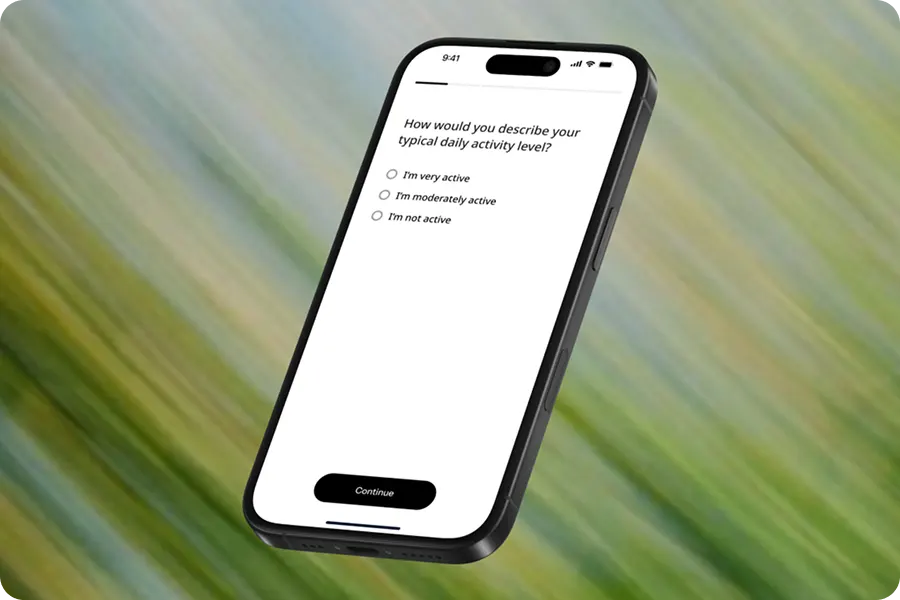
Provide information about your goals and medical history to fuel your metabolic health assessment.

A licensed healthcare provider carefully reviews each case and determines whether treatment is appropriate.

Providers may recommend prescription treatments from licensed pharmacies.

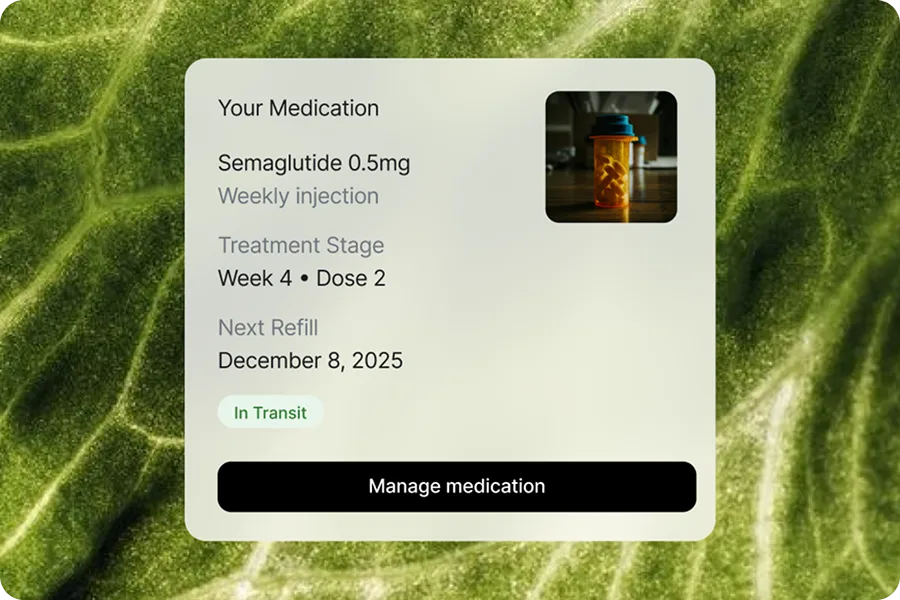
Stay connected with your clinician as your plan evolves.


GLP-1 microdosing means taking lower-than-standard doses of GLP-1 medications like semaglutide or tirzepatide. The dose stays low, below standard weight-loss dosing, and your clinician fine-tunes it within that low range rather than titrating up to a full dose. The goal is to support metabolic health, reduce cravings, and maintain weight, with a gentler side effect profile than full therapeutic doses.
No. GLP-1 microdosing is an off-label use of compounded medications. Compounded medications are not FDA-approved. Your clinician will review whether this approach is appropriate for your health history and goals.
Microdosing may be a fit if you've already lost weight on GLP-1s and want to maintain results, if you experienced side effects at standard doses, if you're looking for a more gradual and sustainable long-term approach, or if you don't meet the BMI threshold for standard weight loss dosing. Your clinician makes the final determination.
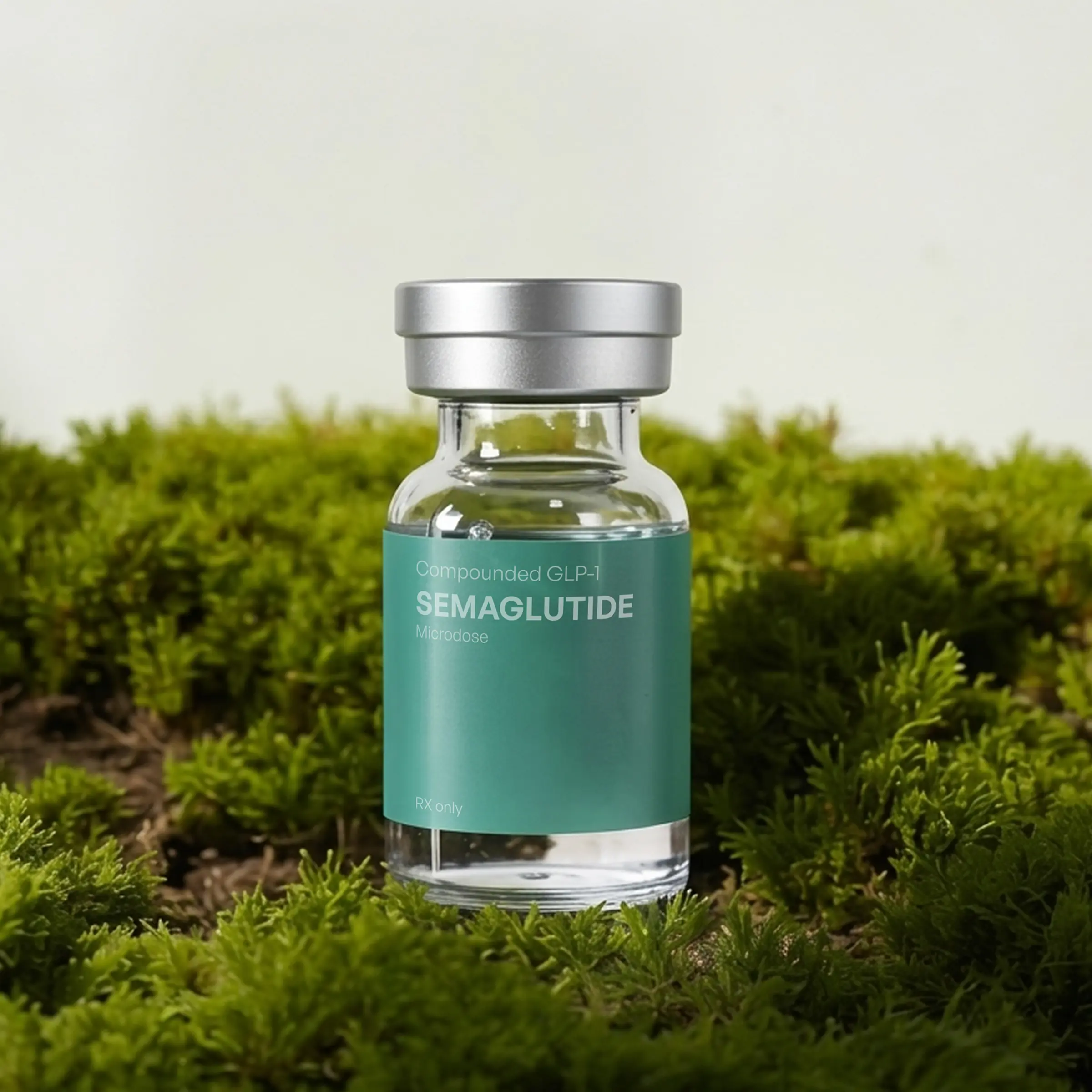
Compounded semaglutide (injection or oral tablet) or compounded tirzepatide injection. Medication and dose are determined by your clinician based on your health history and goals.
Side effects are generally milder at lower doses. Some people experience mild nausea, reduced appetite, or mild GI discomfort — particularly in the first few weeks. These typically improve as your body adjusts. Contact your care team if side effects are persistent or severe.
Some patients notice appetite and energy changes within the first few weeks. Metabolic and weight changes typically build over months. Results vary by individual and are not guaranteed.
Some patients do; others use microdosing primarily for maintenance after prior weight loss. Because the dose stays low, below standard weight-loss dosing, it is not intended to match the weight loss seen at full doses. Your clinician will set realistic expectations based on your goals and dosing plan. There are no guaranteed outcomes.
The standard weight loss program uses doses associated with more significant appetite suppression and weight loss. Microdosing uses lower doses aimed at metabolic support, cravings reduction, and maintenance — with a focus on tolerability and long-term sustainability.
It depends on your full medication list. Share everything you're taking with your clinician so they can screen for interactions and advise safely.
Luvo does not run lab tests. If your clinician thinks bloodwork would help, they'll let you know so you can arrange it through your own provider or physician.
Yes. Your information is protected and only shared with the clinicians and pharmacies involved in your care. See our Privacy Policy for full details.
Yes. You can cancel or pause through your account. Changes typically need to be made before an order begins processing.
You won't be charged until after clinician review and only if treatment is prescribed. If microdosing isn't right for you, your clinician may discuss alternative programs or refer you to appropriate care.
Avg. weight reduction in GLP-1 trials*
Risk reduction in prediabetes studies*
Clinician reviewed

The service is designed for the moment when metabolism needs gentle support.


Provide information about your goals and medical history to fuel your metabolic health assessment.
.webp)
A licensed healthcare provider carefully reviews your health information and determines whether treatment is appropriate.
.webp)
Providers may recommend prescription treatments from licensed pharmacies.
.webp)
Stay connected with your clinician, who fine-tunes your dose within your low-dose range.

Provide information about your goals and medical history to fuel your metabolic health assessment.

A licensed healthcare provider carefully reviews each case and determines whether treatment is appropriate.

Providers may recommend prescription treatments from licensed pharmacies.

Stay connected with your clinician as your plan evolves.

GLP-1 microdosing means taking lower-than-standard doses of GLP-1 medications like semaglutide or tirzepatide. The dose stays low, below standard weight-loss dosing, and your clinician fine-tunes it within that low range rather than titrating up to a full dose. The goal is to support metabolic health, reduce cravings, and maintain weight, with a gentler side effect profile than full therapeutic doses.
No. GLP-1 microdosing is an off-label use of compounded medications. Compounded medications are not FDA-approved. Your clinician will review whether this approach is appropriate for your health history and goals.
Microdosing may be a fit if you've already lost weight on GLP-1s and want to maintain results, if you experienced side effects at standard doses, if you're looking for a more gradual and sustainable long-term approach, or if you don't meet the BMI threshold for standard weight loss dosing. Your clinician makes the final determination.
Compounded semaglutide (injection or oral tablet) or compounded tirzepatide injection. Medication and dose are determined by your clinician based on your health history and goals.
Side effects are generally milder at lower doses. Some people experience mild nausea, reduced appetite, or mild GI discomfort — particularly in the first few weeks. These typically improve as your body adjusts. Contact your care team if side effects are persistent or severe.
Some patients notice appetite and energy changes within the first few weeks. Metabolic and weight changes typically build over months. Results vary by individual and are not guaranteed.
Some patients do; others use microdosing primarily for maintenance after prior weight loss. Because the dose stays low, below standard weight-loss dosing, it is not intended to match the weight loss seen at full doses. Your clinician will set realistic expectations based on your goals and dosing plan. There are no guaranteed outcomes.
The standard weight loss program uses doses associated with more significant appetite suppression and weight loss. Microdosing uses lower doses aimed at metabolic support, cravings reduction, and maintenance — with a focus on tolerability and long-term sustainability.
It depends on your full medication list. Share everything you're taking with your clinician so they can screen for interactions and advise safely.
Luvo does not run lab tests. If your clinician thinks bloodwork would help, they'll let you know so you can arrange it through your own provider or physician.
Yes. Your information is protected and only shared with the clinicians and pharmacies involved in your care. See our Privacy Policy for full details.
Yes. You can cancel or pause through your account. Changes typically need to be made before an order begins processing.
You won't be charged until after clinician review and only if treatment is prescribed. If microdosing isn't right for you, your clinician may discuss alternative programs or refer you to appropriate care.
Share your skin concerns and history. Takes two minutes.
Receive your clinical review.
Your prescription ships within three to five days. Use it as prescribed.
.webp)
.webp)
%20(1).webp)
.webp)

.webp)
.webp)

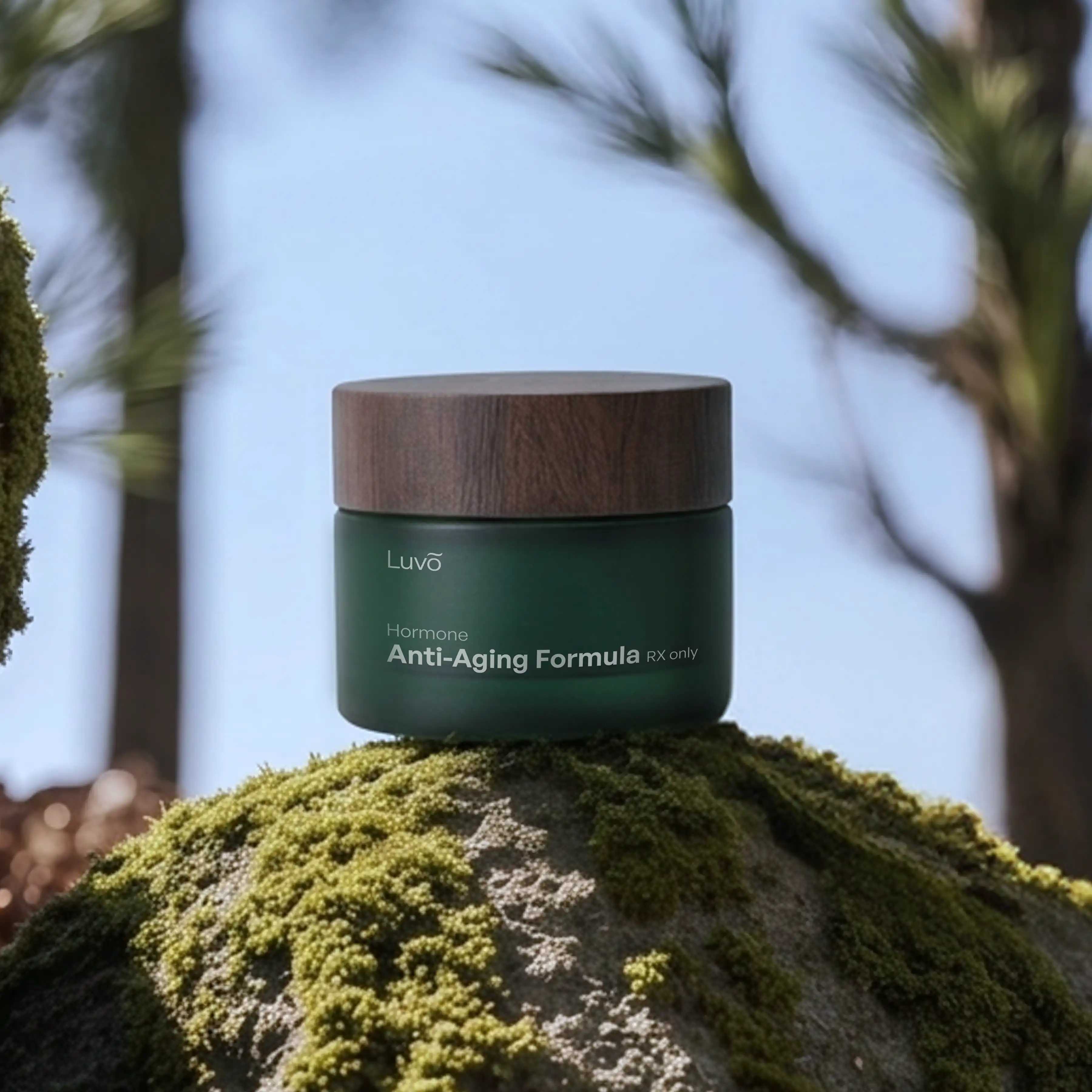
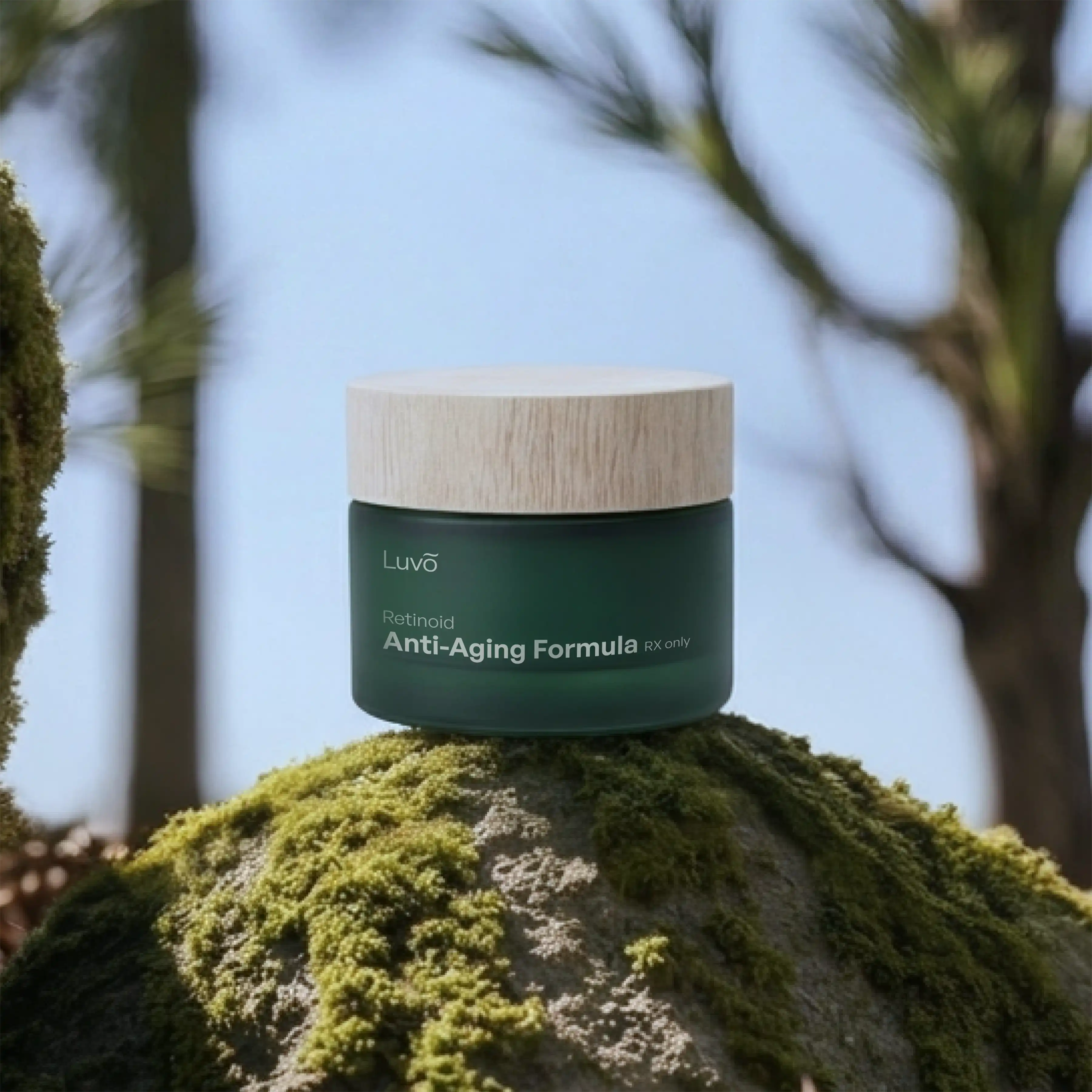
Clinician-led care for skin concerns like aging, pigmentation, acne, and rosacea. You share your skin history through a short online intake, a licensed clinician reviews it, and a personalized prescription formula ships to you if appropriate.
Aging and fine lines, pigmentation and melasma, adult and hormonal acne, and rosacea with persistent redness. Your clinician tailors treatment based on your skin and history.
Yes. Each formula has its own short intake so your clinician can prescribe the right strength for that specific concern. You can start additional formulas at any time, from any product page.
Each prescription is a 30-day supply at standard use. Refills ship automatically on a monthly basis, and you can adjust timing in your account.
Most people see early changes within four to six weeks. Pigmentation and deeper textural changes typically take eight to twelve weeks or longer. Skin aging treatments work gradually over months.
No. Your intake and photos are reviewed asynchronously by a licensed clinician. You can message your provider through the platform if questions come up.
Your clinician selects a formula and strength based on your concerns, skin type, history, and any other care you receive through Luvo, so your skincare fits with the rest of your plan.
Common side effects include dryness, mild peeling, and sensitivity, especially with retinoids and brightening agents. Your clinician will explain what is normal and how to manage it.
Yes. Message your clinician through the platform if you want to adjust strength, switch formulations, or address a new skin concern.
Yes. Luvo clinicians can consider your skincare alongside hormone therapy or other treatments, which is particularly relevant for skin changes during perimenopause and menopause.
Yes. Most skincare formulas ship on a recurring basis to support consistent use. You can manage refill timing in your account.
Yes. You can pause or cancel through your account before your next order is processed.