Ready to take the next step?
Find out which treatment fits your health best.
Get started
No commitment until clinician review
Cancel anytime


.webp)

Estradiol Vaginal Tablets are a localized hormone therapy designed to relieve common menopausal and low-estrogen symptoms affecting vaginal tissues, such as dryness, irritation, discomfort, or pain during intimacy. These tablets deliver a low dose of estradiol directly where it’s needed, supporting tissue health with minimal systemic hormone exposure.
Estradiol — a bioidentical form of estrogen that is chemically the same as the primary estrogen produced naturally by the body. As the most potent estrogen, it plays a central role in maintaining healthy vaginal tissue and lubrication.
Dosage will be set by your provider, usually starting with daily use, then twice-weekly. Follow instructions and ask questions if unsure.
Most side effects are mild and related to local irritation:
Serious reactions are uncommon but can include unusual bleeding, severe pain, or signs of allergic reactions. Seek medical care if you experience any concerning symptoms.
Estradiol Vaginal Tablets are a prescription medication that help manage symptoms of vulvovaginal atrophy or genitourinary syndrome of menopause, including dryness, itching, burning, or discomfort during sex, that occur when estrogen levels decline after menopause. Unlike systemic hormone therapy, vaginal tablets focus on local relief.

Images are for illustrative purposes only. Individual results may vary. Compounded medications are not FDA-approved.
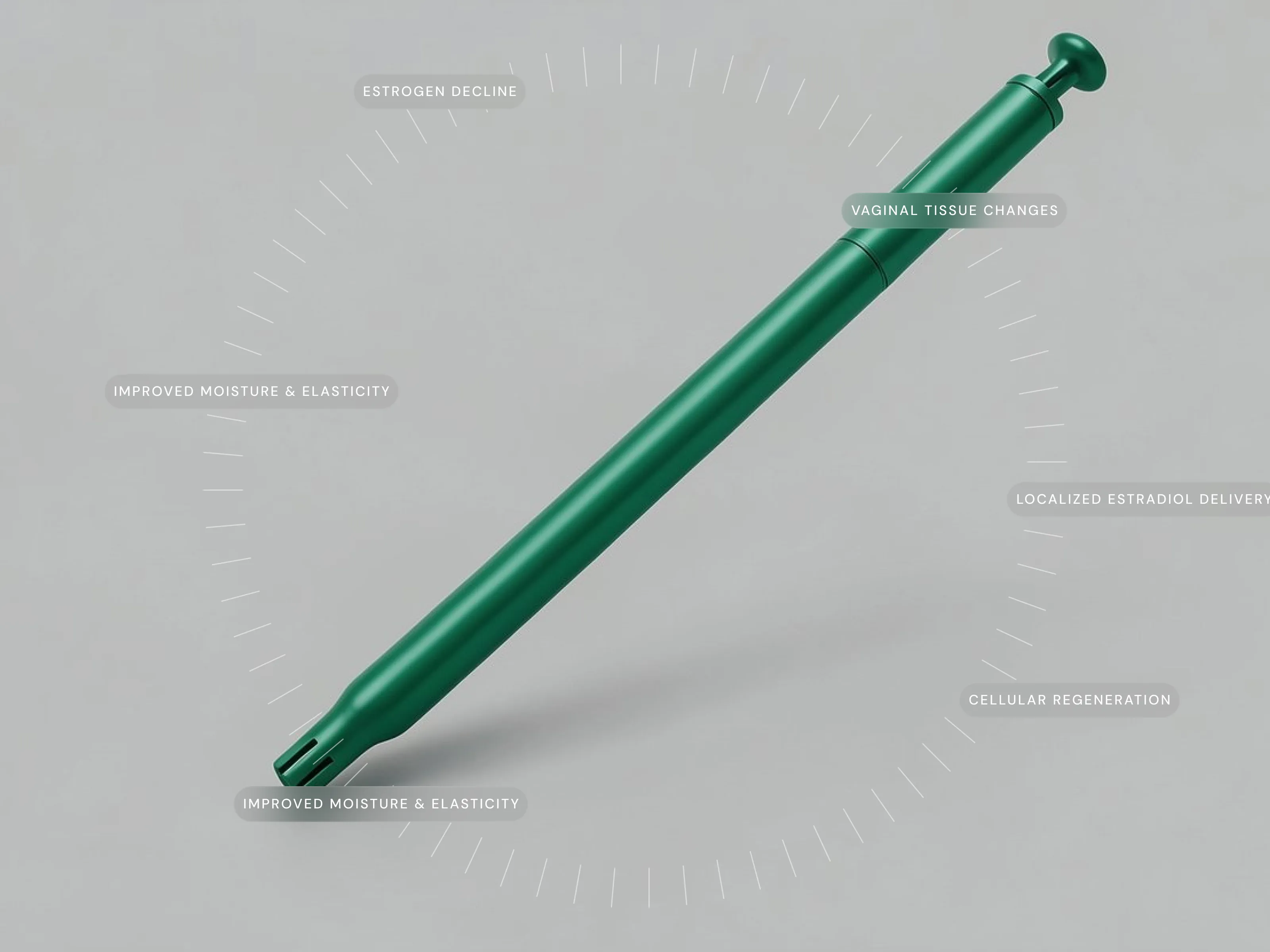
As estrogen levels drop with age (especially during and after menopause), vaginal tissues can become thinner, less elastic, and less lubricated — leading to irritation or discomfort. The tablet dissolves inside the vagina, releasing estradiol directly into local tissue. This supports increased blood flow, improved cellular health, better moisture balance, and strengthened tissue structure.
Images are for illustrative purposes only. Individual results may vary. Compounded medications are not FDA-approved.
Dosage and schedule will be set by your healthcare provider, but most women begin with once-daily use for an initial period, followed by a twice-weekly maintenance schedule. The exact direction depends on symptom severity and clinical goals. Always follow your provider’s instructions and ask questions if you’re unsure.
Images are for illustrative purposes only. Individual results may vary. Compounded medications are not FDA-approved.



Estradiol vaginal tablets are used to relieve symptoms of vaginal dryness and irritation linked to low estrogen levels, often during or after menopause. Many women notice improved comfort with daily activities and intimacy.
Some people feel improvement within a couple of weeks, but full benefit may take several weeks of consistent use. The first changes are often less dryness and less burning/irritation.
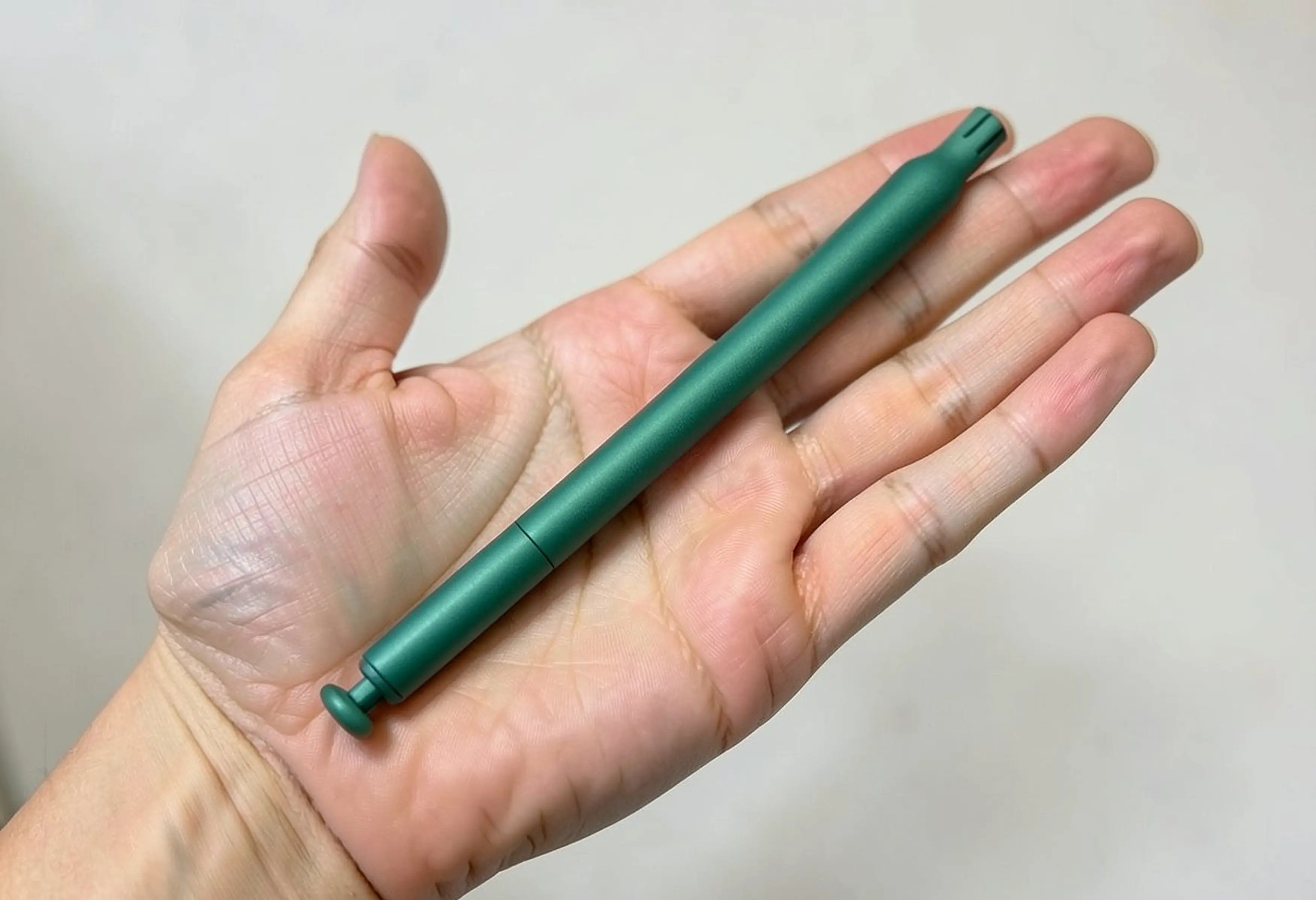
Wash your hands, place the tablet into the applicator (if provided), and gently insert it into the vagina as directed. Press the plunger to release the tablet, remove the applicator, and wash it if it’s reusable.
Many treatment plans start with a short “loading” period and then switch to a maintenance schedule (for example, a few times per week). Your clinician may adjust the schedule based on symptom control and tolerance.
Vaginal tablets, creams, and rings primarily target local vaginal symptoms. Oral or systemic estrogen is more likely to affect the whole body and may be used for broader menopause symptoms. The best option depends on your symptoms, preferences, and medical history.
Vaginal estradiol is generally considered a low-dose, locally acting therapy. A small amount may be absorbed, but for many patients it’s significantly less systemic exposure than oral estrogen. Your clinician can help weigh benefits and risks for your situation.
Common effects can include mild vaginal discomfort, spotting, or increased discharge—especially early on. Contact a clinician if you have persistent bleeding, severe pain, signs of an allergic reaction, or any new symptoms that worry you.
Safety depends on your individual history and the type of estrogen therapy. If you have (or had) blood clots, stroke, estrogen-sensitive cancers, or unexplained vaginal bleeding, you should discuss this carefully with a licensed clinician before starting.
That depends on whether the therapy is considered local-only at a low dose and your personal risk factors. Some people using low-dose vaginal estrogen do not need progesterone, but your clinician will make a recommendation based on guidelines and your medical history.
You can typically have sex while using this therapy, but timing can matter for comfort and to avoid mess. Vaginal tablets are usually less messy than creams. If you use condoms, ask your clinician about timing and compatible lubricants.
This medication is generally not used during pregnancy, and it may not be appropriate while breastfeeding. If you’re trying to conceive or think you may be pregnant, talk to a clinician before using it.
If you miss a dose, take it when you remember unless it’s close to your next scheduled dose—then continue as normal (don’t double up). Many women use vaginal estradiol long-term for ongoing symptom control, with periodic check-ins to ensure it’s still the right fit.



.webp)

.webp)