

Ready to take the next step?
Find out which treatment fits your health best.
Get started
No commitment until clinician review
Cancel anytime


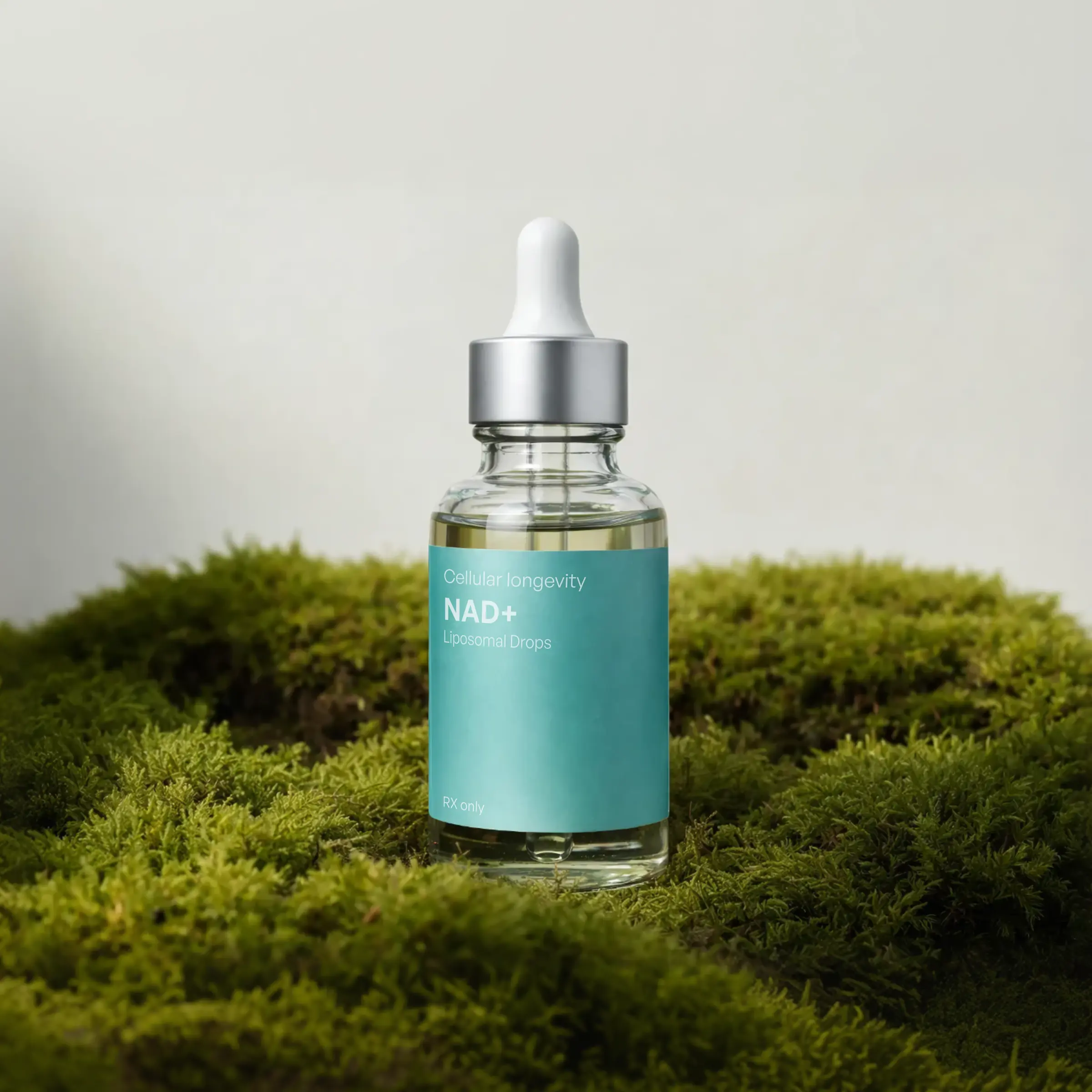
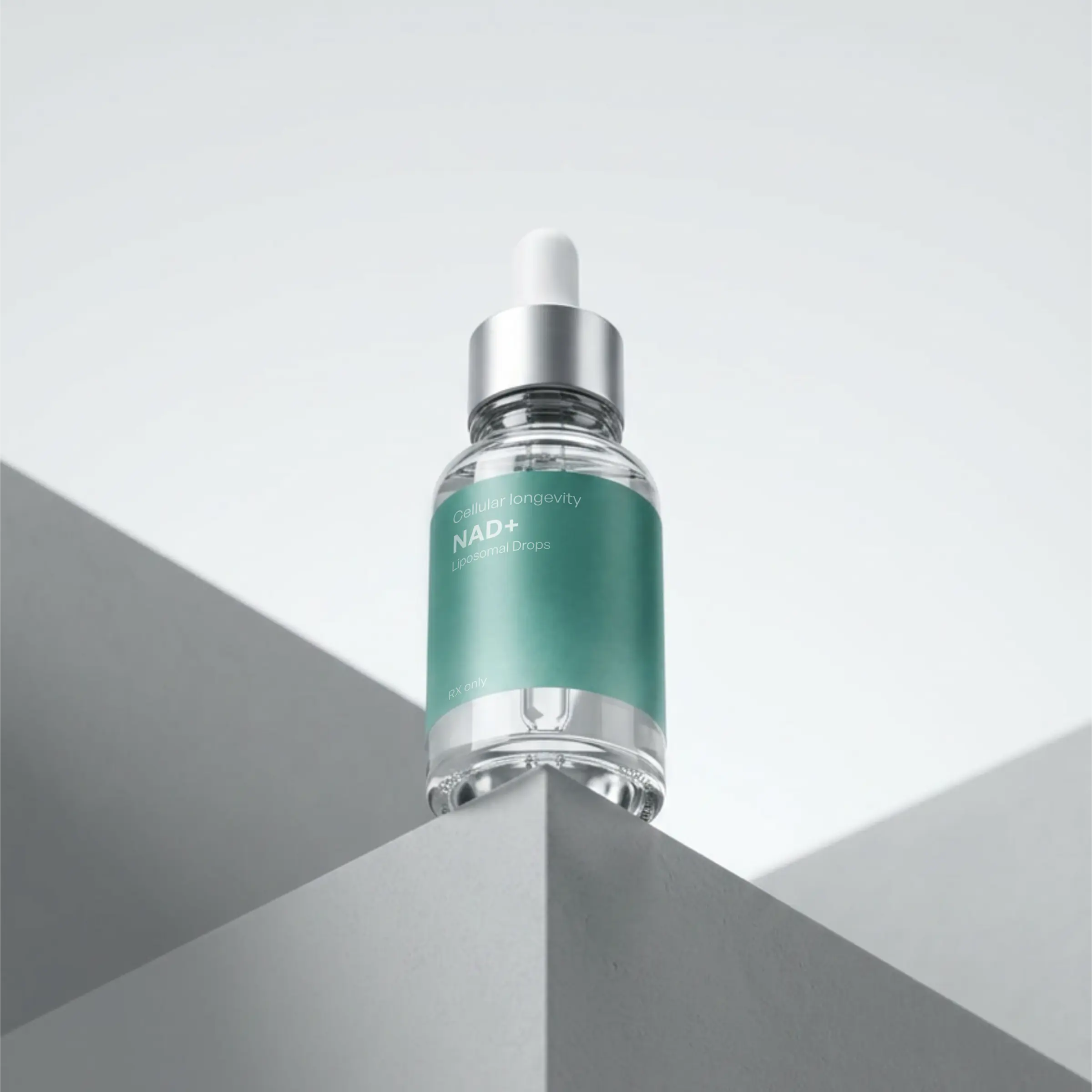
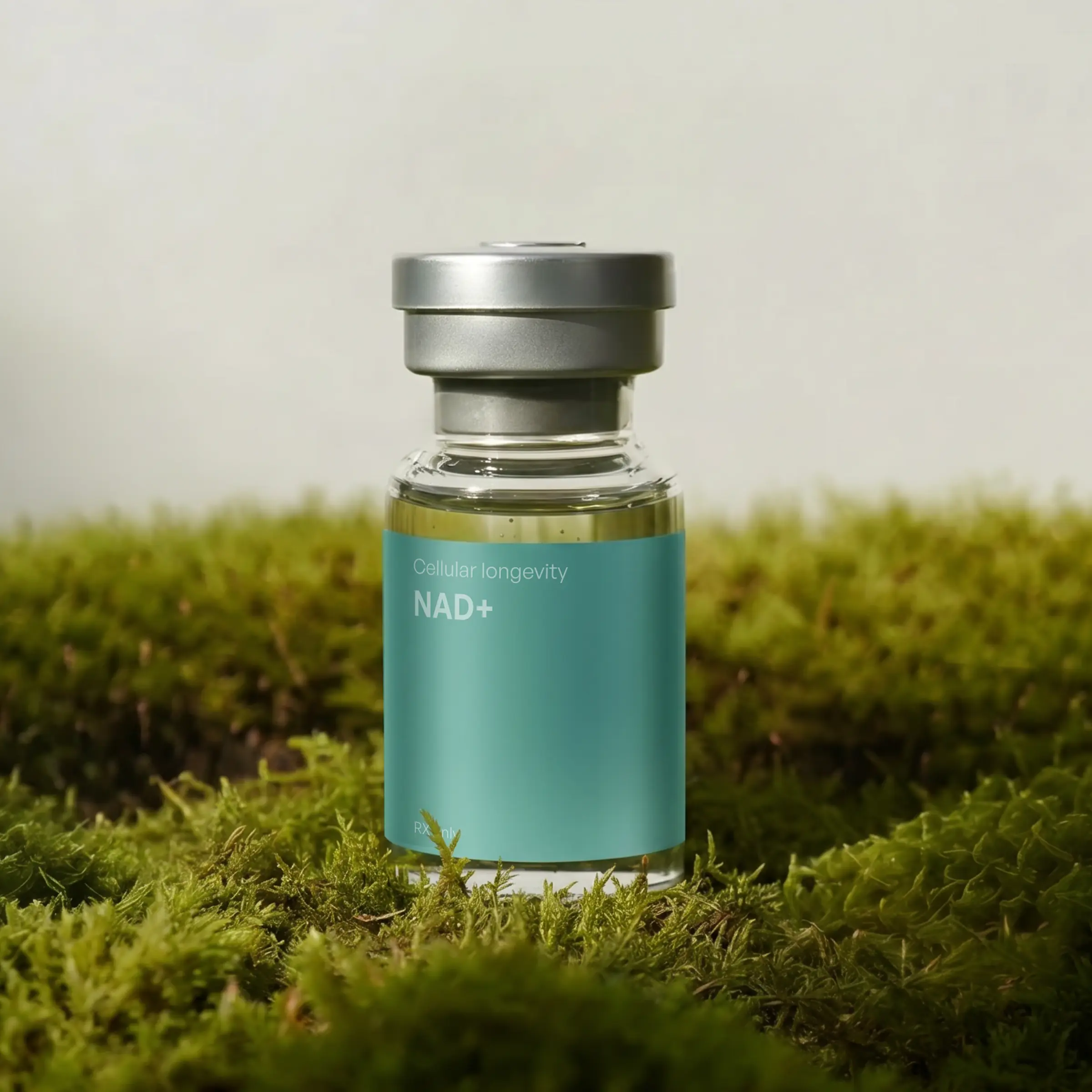
Nicotinamide NAD is a coenzyme that is essential for the normal functioning of the body's cells. It is involved in numerous biochemical processes that promote metabolism and plays a key role in energy metabolism, DNA regulation, and cell repair.
Nicotinamide adenine dinucleotide (NAD+) — a vital cofactor found in all living cells, essential for energy metabolism and electron transfer in redox reactions.
Take 1 dropper (1 ml) daily. Hold under your tongue for 30–60 seconds, then swallow. Best taken in the morning. Shake well before use. This is sublingual administration.
Side effects that need medical attention (contact your doctor as soon as possible):
- More common: pain, redness, or swelling at the injection site.
- Rare: itching, trouble swallowing.
NAD+ (nicotinamide adenine dinucleotide) is a coenzyme found in every cell. It plays a key role in converting nutrients into cellular energy and supports enzymes involved in DNA repair and cellular signaling. Because NAD+ levels may decline with age and stress, NAD+–focused therapies are being explored for metabolic and recovery support.
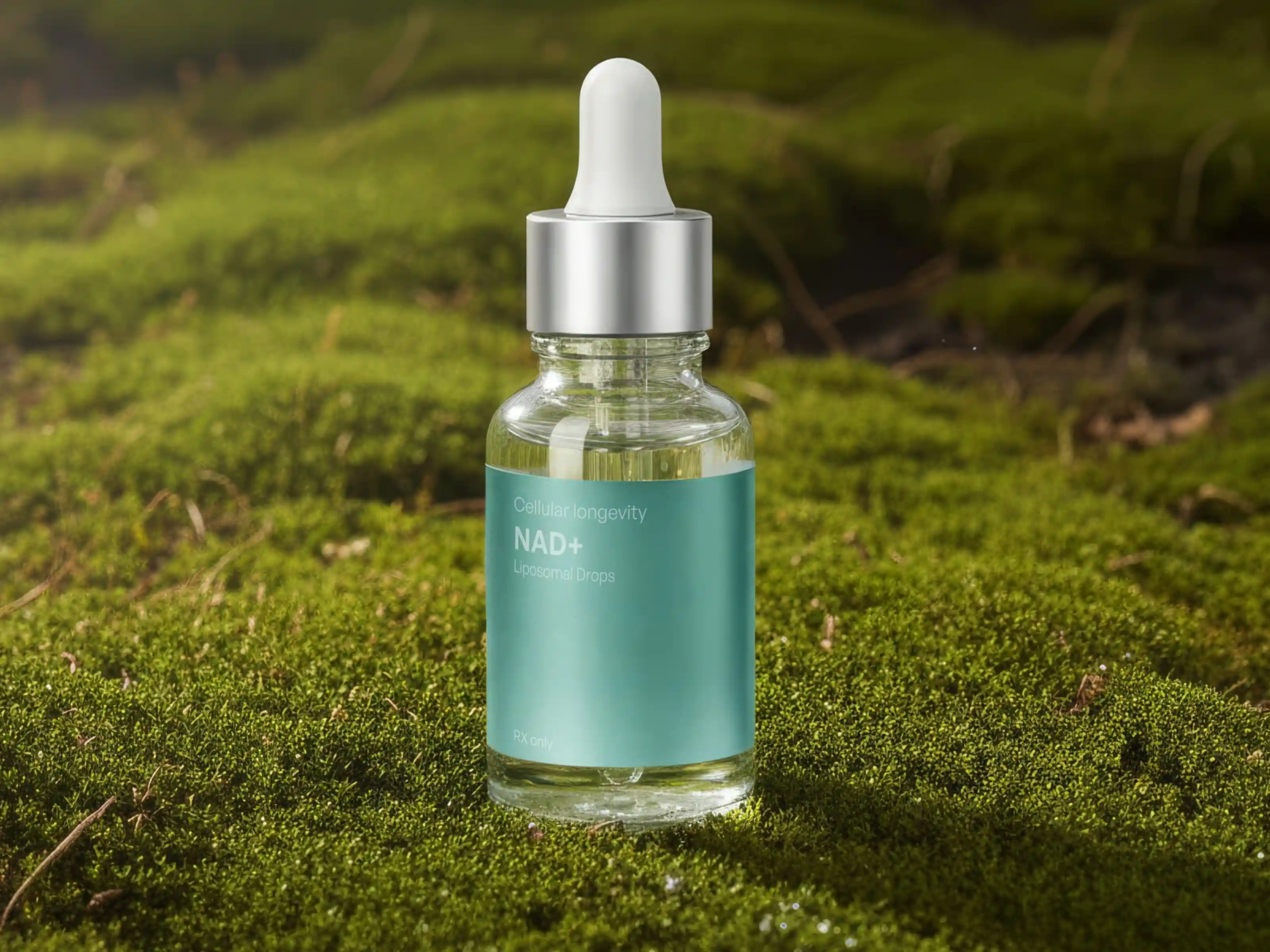
Images are for illustrative purposes only. Individual results may vary. Compounded medications are not FDA-approved.
NAD+ supports cellular energy production and acts as a cofactor for enzymes involved in cellular maintenance and repair. NAD+ therapy is intended to increase NAD+ availability in the body, which may help support energy and recovery in some patients. Outcomes vary based on baseline levels, overall health, and clinical protocol.

Images are for illustrative purposes only. Individual results may vary. Compounded medications are not FDA-approved.
Take 1 dropper (1 ml) once a day. Hold the liquid under your tongue for 30–60 seconds and then swallow. It is best to take it in the morning or during the first half of the day. Shake the bottle well before use. This is a sublingual administration, meaning part of the substance is absorbed through the mucous membrane of the mouth.

Images are for illustrative purposes only. Individual results may vary. Compounded medications are not FDA-approved.



NAD+ is offered as part of a clinician-guided longevity plan when appropriate. Your clinician will explain why it fits your goals and medical history.
This treatment supports the targeted biological pathway related to its indication. Your clinician will explain what to expect for your specific use case.
Use it exactly as prescribed. Follow your label instructions and your clinician’s guidance for timing, dose, and ramp-up.
Many oral plans are taken daily, but your exact schedule depends on your prescription.
Timing relative to food can matter for some medications. Follow your label instructions and clinician guidance.
Take it as directed, stay hydrated, and avoid trigger foods. If symptoms persist, ask your clinician about adjustments.
Side effects vary but can include mild GI upset, nausea, headache, or changes in appetite depending on the medication.
Some interactions are possible. Share your full medication and supplement list so your clinician can advise safely.
Resume your normal schedule. Don’t double up unless your clinician advises.
Timing varies by medication and goal. Track symptoms consistently for several weeks and review with your clinician.
Store according to the label, away from heat and moisture. Keep out of reach of children.
It depends on your medication and health profile. Ask your clinician—alcohol can worsen side effects for some treatments.


.webp)




.webp)
.webp)

.webp)
.webp)