

Ready to take the next step?
Find out which treatment fits your health best.
Get started
No commitment until clinician review
Cancel anytime


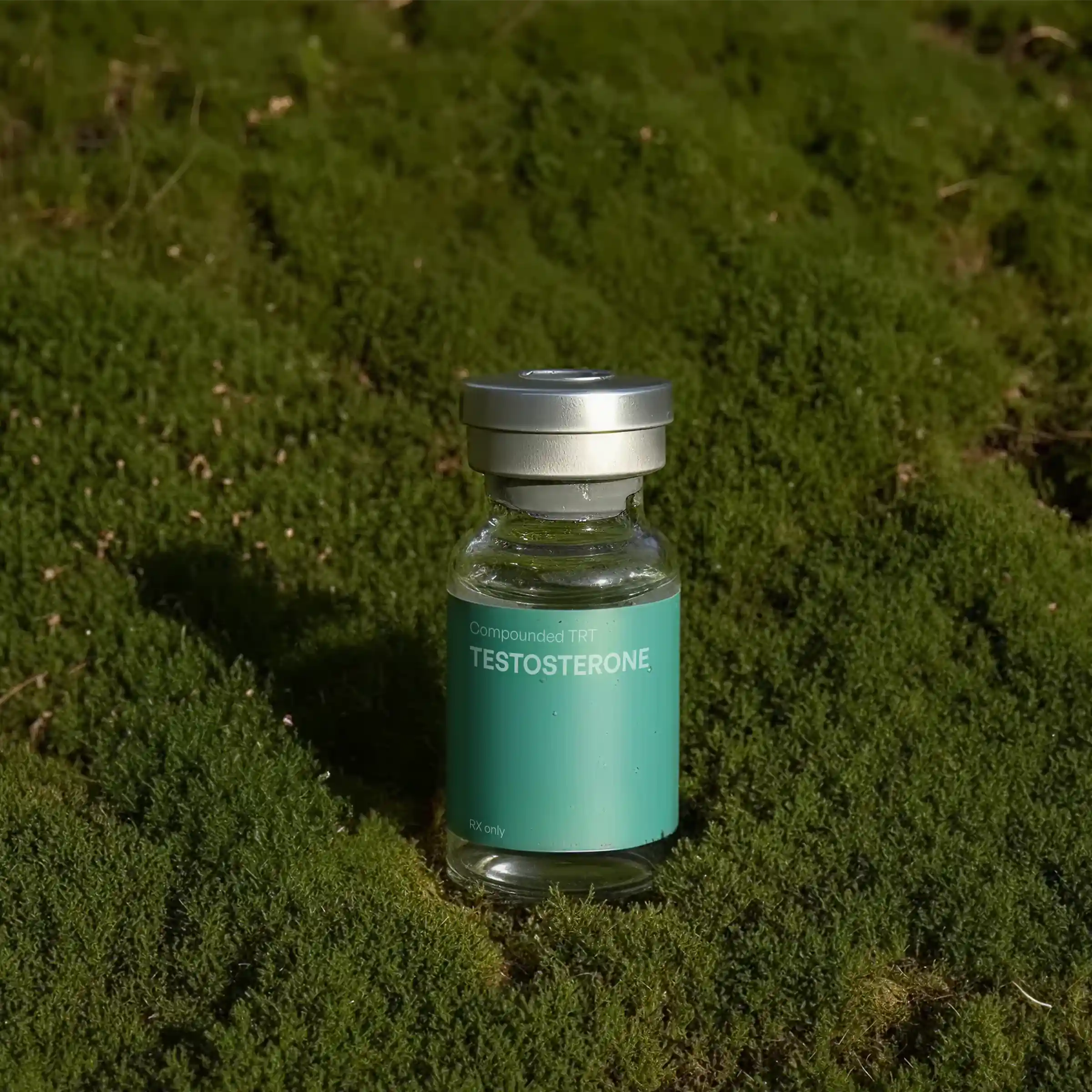


Testosterone Injection is a prescription hormone therapy used to treat clinically diagnosed testosterone deficiency (hypogonadism) in adult men. Administered under medical supervision, it helps restore testosterone levels to a physiological range and supports energy, mood, and overall well-being.
Testosterone – bioidentical form of the primary male sex hormone responsible for regulating bone density, libido, mood, and red blood cell production.
Testosterone injections are administered intramuscularly or subcutaneously according to a clinician-directed protocol. Dosing frequency typically ranges from once weekly to once every two weeks, depending on individual lab results and treatment goals.
Possible side effects may include:
Testosterone therapy may suppress natural hormone production and carries potential cardiovascular and reproductive risks. Regular lab monitoring is required.
Testosterone Injection is a medical therapy designed to restore low testosterone levels in men with confirmed hypogonadism. Testosterone plays a critical role in maintaining bone density, sexual health, red blood cell production, and metabolic function. Therapy is prescribed only after clinical evaluation and laboratory testing confirm deficiency.

Images are for illustrative purposes only. Individual results may vary. Compounded medications are not FDA-approved.
Injected testosterone enters the bloodstream and binds to androgen receptors throughout the body. This activation influences protein synthesis, red blood cell production, libido, and metabolic activity. By restoring testosterone levels to a normal physiological range, the therapy supports multiple systems regulated by androgens.

Images are for illustrative purposes only. Individual results may vary. Compounded medications are not FDA-approved.
Testosterone injections are administered according to a personalized medical plan. Regular laboratory testing is essential to monitor testosterone levels, hematocrit, lipid profile, and overall safety. Consistent follow-up ensures dose optimization and risk management.

Images are for illustrative purposes only. Individual results may vary. Compounded medications are not FDA-approved.



Testosterone injections are a prescription form of testosterone used to help restore testosterone levels when they’re clinically low. They’re commonly prescribed as part of TRT (testosterone replacement therapy) with ongoing medical monitoring.
Most men qualify based on both symptoms and lab results. Common symptoms include low energy, low libido, erectile changes, mood shifts, reduced strength, or trouble recovering after workouts. Your clinician will confirm with bloodwork and a health review.
It depends on your prescription and how your body responds. Many protocols use weekly or split doses to support steadier levels. Your clinician will choose a schedule that fits your labs, symptoms, and lifestyle.
Some men notice improvements in energy, mood, or focus within a few weeks. Changes in body composition, strength, and sexual function may take longer. Many plans include a reassessment around 6–12 weeks to fine-tune dosing.
Most people describe them as quick and manageable, more like a brief pinch or pressure. With proper technique and injection site rotation, discomfort is usually minimal.
Side effects can include acne or oily skin, mood changes, fluid retention, increased red blood cell count, and injection-site irritation. Monitoring helps catch changes early so your clinician can adjust your plan.
Yes. Testosterone therapy can reduce sperm production and may impact fertility while you’re on treatment. If having children is important to you, tell your clinician, there are fertility-supportive options that may be more appropriate.
TRT doesn’t “create” hair loss, but it can accelerate hair thinning in men who are genetically prone. If this is a concern, your clinician can discuss dosing strategy and supportive options.
It can happen in some cases, usually related to how your body converts testosterone into other hormones. Proper dosing and monitoring can reduce risk, and your clinician can adjust treatment if symptoms appear.
Yes. Regular bloodwork is a core part of safe TRT. Monitoring typically includes testosterone levels, blood count (hematocrit/hemoglobin), and other markers based on your health history and goals.
In most cases, yes. TRT is designed to fit real life. Healthy routines like strength training, sleep, and nutrition can improve results. If you drink, moderation matters, and your clinician may advise based on your labs and overall health.
If you stop, your levels may return to baseline over time, and symptoms can come back. Always talk with your clinician before making changes, if you want to pause or stop, they can guide a safe plan.













.webp)