Ready to take the next step?
Find out which treatment fits your health best.
Get started
No commitment until clinician review
Cancel anytime




.webp)
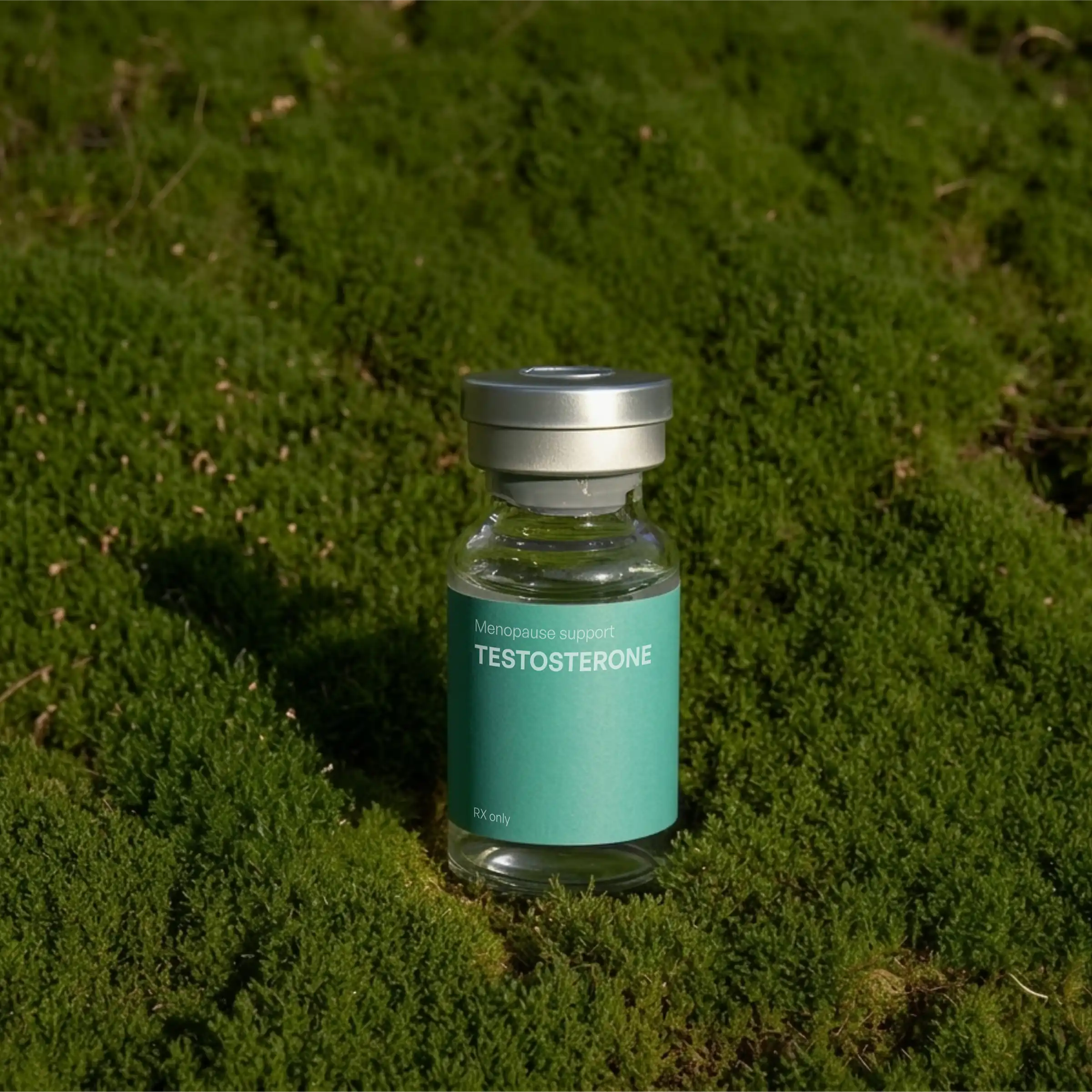
Testosterone isn’t just a “male hormone.” Women produce it, too and levels can decline with age, surgical menopause, or other health changes. For some postmenopausal women, clinically significant low sexual desire with distress may persist even after optimizing estrogen therapy and addressing other factors (stress, relationship, medications, vaginal dryness).
Testosterone – formulation and concentration vary by prescription. The clinical goal is to achieve female physiologic testosterone levels, not “male-range” dosing.
Because injections can cause hormone “peaks and troughs,” this treatment requires careful clinician oversight. If prescribed, your provider will:
(Your exact dosing and schedule should come only from your clinician.)
Side effects are more likely when testosterone levels rise above the physiologic female range. Possible effects include:
Higher dosing may lead to potentially irreversible effects like voice deepening or clitoral enlargement—this is why close monitoring and conservative dosing are essential.
Testosterone injection is a prescription hormone therapy that delivers testosterone systemically. In women’s menopause care, it may be considered specifically for diagnosed HSDD—persistent low sexual desire that causes personal distress—when other contributors have been evaluated and treated.
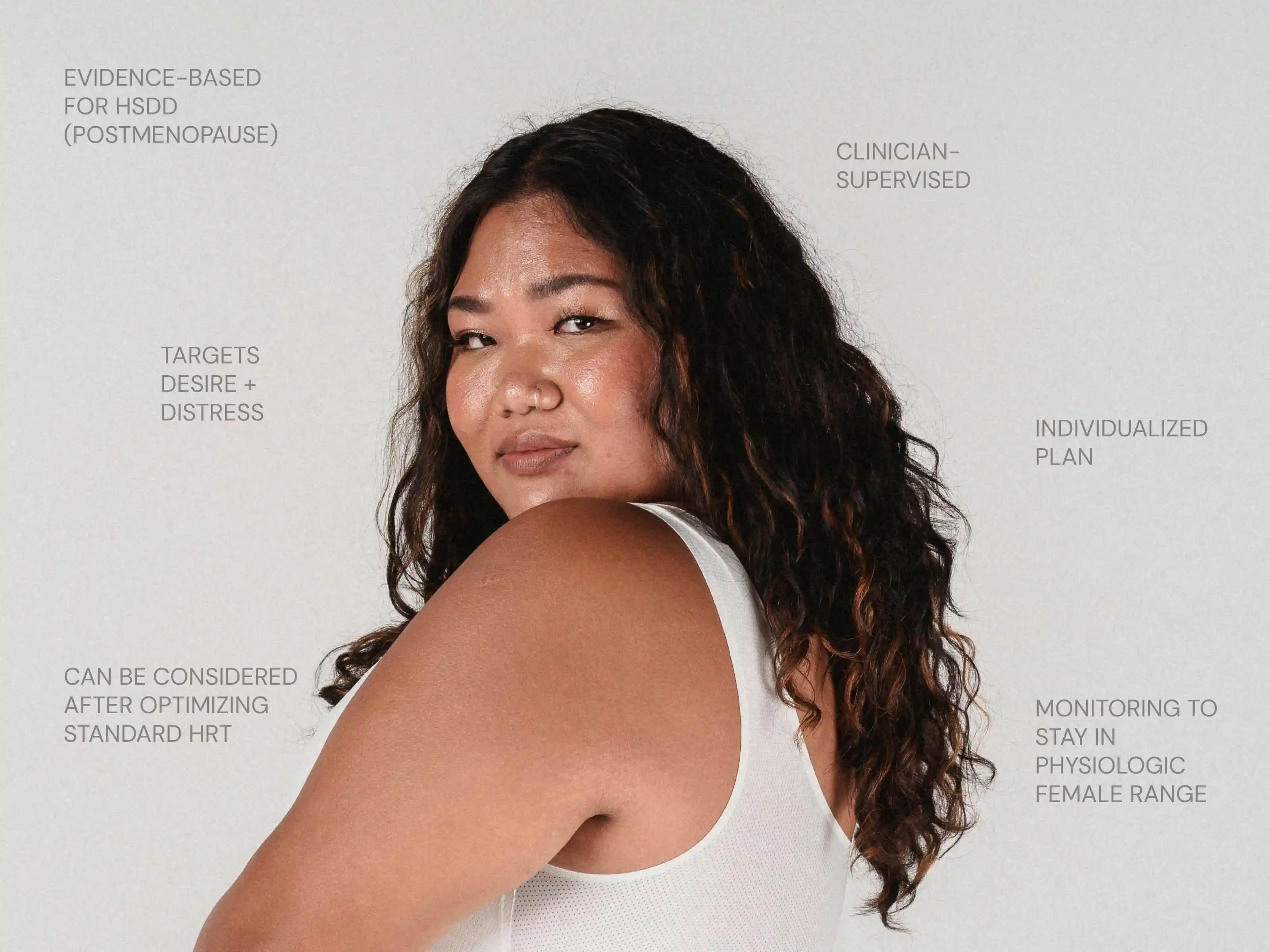
Images are for illustrative purposes only. Individual results may vary. Compounded medications are not FDA-approved.
Sexual desire is influenced by hormones, nervous system signaling, blood flow, mood, sleep, stress, and relationship context. Testosterone can help support the biological component of desire by acting on androgen receptors in the brain and body, potentially improving sexual desire and reducing distress when used at physiologic female levels in appropriately selected postmenopausal women.
.webp)
Images are for illustrative purposes only. Individual results may vary. Compounded medications are not FDA-approved.
If your care team prescribes an injectable form:

Images are for illustrative purposes only. Individual results may vary. Compounded medications are not FDA-approved.



Testosterone injections can be safe for women when prescribed by a licensed clinician, dosed appropriately, and monitored with routine follow-ups and lab work. The key is individualized dosing and ongoing oversight.
Some women experience symptoms like low libido, reduced energy, brain fog, or decreased motivation during peri-/menopause. If labs and symptoms suggest low androgen levels, testosterone may be considered as part of a personalized hormone plan.
Many women seek testosterone support for low sexual desire, low energy, decreased stamina, reduced sense of well-being, and trouble building/maintaining lean muscle. Results vary, and treatment is based on both symptoms and labs.
Some women notice changes in energy or mood within a few weeks, while libido and body composition changes may take longer. Most people reassess with their clinician around 6–12 weeks to evaluate progress and adjust if needed.
Your dosing schedule depends on your prescription and your body’s response. Some protocols use weekly or split doses to support steadier levels. Your clinician will recommend what fits your labs, symptoms, and lifestyle.
Testosterone doesn’t automatically cause weight gain. In appropriate doses, some women report improved strength and body composition. However, hormones can affect appetite, water retention, and energy, so your plan should include monitoring and adjustments.
These can happen, especially if the dose is too high or levels rise too quickly. Acne, oily skin, and increased hair growth are common dose-related side effects. That’s why gradual dosing and lab monitoring matter.
Voice deepening and certain other changes are uncommon at carefully managed, female-appropriate doses, but they can occur, especially if levels run too high for too long. Report any changes early so your clinician can adjust your plan promptly.
Yes. Baseline labs help confirm whether testosterone is appropriate and guide safe dosing. Follow-up labs are typically used to monitor levels and support dose adjustments over time.
Often, yes. Many menopause plans include estrogen and/or progesterone, and testosterone may be added when clinically appropriate. Your clinician will tailor the combination based on symptoms, health history, and lab results.
The most common include acne, oily skin, increased hair growth, scalp hair thinning in those prone to it, mood changes, or changes in sleep. Side effects are usually dose-dependent and may improve with adjustment.
Testosterone may not be appropriate for everyone—especially if you’re pregnant, breastfeeding, have certain hormone-sensitive conditions, or have uncontrolled medical issues that require stabilization first. Your clinician will review your history and help choose the safest option.







.webp)


.webp)