Introduction: The Real Challenge Starts After You Lose the Weight

Losing weight is hard. Keeping it off is harder. This isn't a motivational platitude — it's a well-documented physiological reality. After weight loss, the body undergoes hormonal and metabolic changes that actively promote weight regain: hunger hormones increase, metabolic rate decreases, and the brain's reward response to food intensifies.

This is where GLP-1 microdosing offers a particularly compelling advantage. Unlike crash diets or short-term medication courses, Luvo's microdosing program is designed with the long game in mind — not just helping you lose weight, but helping you keep it off in a way that's medically sound and practically sustainable.

The Weight Regain Problem: What Happens When You Stop GLP-1 Medications

One of the most important conversations in obesity medicine right now concerns what happens when patients discontinue GLP-1 medications. The data is sobering: studies have shown that patients regain approximately two-thirds of their lost weight within a year of stopping semaglutide.

This happens because GLP-1 medications are treating the underlying biology of obesity — not curing it. When the medication is removed, the biological drivers of weight gain reassert themselves. It's analogous to stopping blood pressure medication: the underlying condition hasn't been resolved, so the problem returns.

This reality argues strongly for a long-term treatment approach. And if medication is going to be used long-term, the dose, side-effect profile, and cost all need to be sustainable — which is exactly what microdosing optimizes for.

Why Microdosing Is Ideal for Long-Term Use

Standard-dose GLP-1 therapy was developed with a focus on maximum weight loss in clinical trial timeframes. But clinical trials and real life are different. In real life, the question isn't just "how much weight can I lose in 72 weeks?" but "what approach can I sustain for years or even decades?"

Microdosing excels here for several reasons.

Tolerability sustains adherence. The number one predictor of long-term success with any medication is whether you keep taking it. Lower doses mean fewer side effects, which means you're far more likely to stay on treatment. Cost sustainability matters too. Long-term medication use requires financial planning. Microdosing can reduce medication costs, making indefinite use more feasible. Additionally, lower long-term risk is important because while GLP-1 medications have strong safety profiles, using the lowest effective dose over the long term is a sound medical principle — it minimizes exposure while maintaining benefit. Finally, quality of life at lower doses is better. You can enjoy food, socialize around meals, and live normally — things that can be challenging at higher doses where appetite suppression can feel overwhelming.

Building Habits That Outlast Medication

While Luvo's microdosing program may support long-term medication use, the ideal scenario is that medication buys you time to build lasting habits. The appetite reduction and behavioral changes you experience on GLP-1 medication create a window of opportunity to develop a healthier relationship with food and exercise.

Strategies that complement microdosing for long-term success include progressive strength training, which builds lean mass, increases resting metabolic rate, and creates a physiological buffer against weight regain. Protein-focused nutrition is also key — adequate protein intake (0.7-1g per pound of body weight) supports muscle preservation and enhances satiety independent of medication. Consistent sleep habits matter because poor sleep increases ghrelin (hunger hormone) and decreases leptin (satiety hormone), working against your medication. Finally, stress management is important because chronic stress drives cortisol-mediated fat storage and emotional eating — skills like mindfulness and stress management create lasting resilience.

Luvo's program integrates these principles into your treatment plan, recognizing that medication is most effective as part of a comprehensive approach.

The Maintenance Phase: Adjusting Your Microdose Over Time

As you reach your weight-loss goal and transition into maintenance, your microdose may be adjusted. Some patients find they can reduce their dose further during maintenance while maintaining their results. Others find that their initial microdose remains the right level.

This is one of the advantages of Luvo's personalized approach — your provider monitors your progress and adjusts treatment as your needs evolve. Maintenance isn't an afterthought; it's a planned phase of your program.

Some patients eventually taper off medication entirely while maintaining their results through lifestyle habits built during treatment. Others benefit from ongoing low-dose maintenance. Both approaches are valid, and Luvo's clinical team helps you navigate this decision based on your individual biology and goals.

Luvo's Long-Term Vision for Your Health

Luvo's microdosing program isn't just about the number on the scale. It's about creating a sustainable path to better health that you can maintain for life.

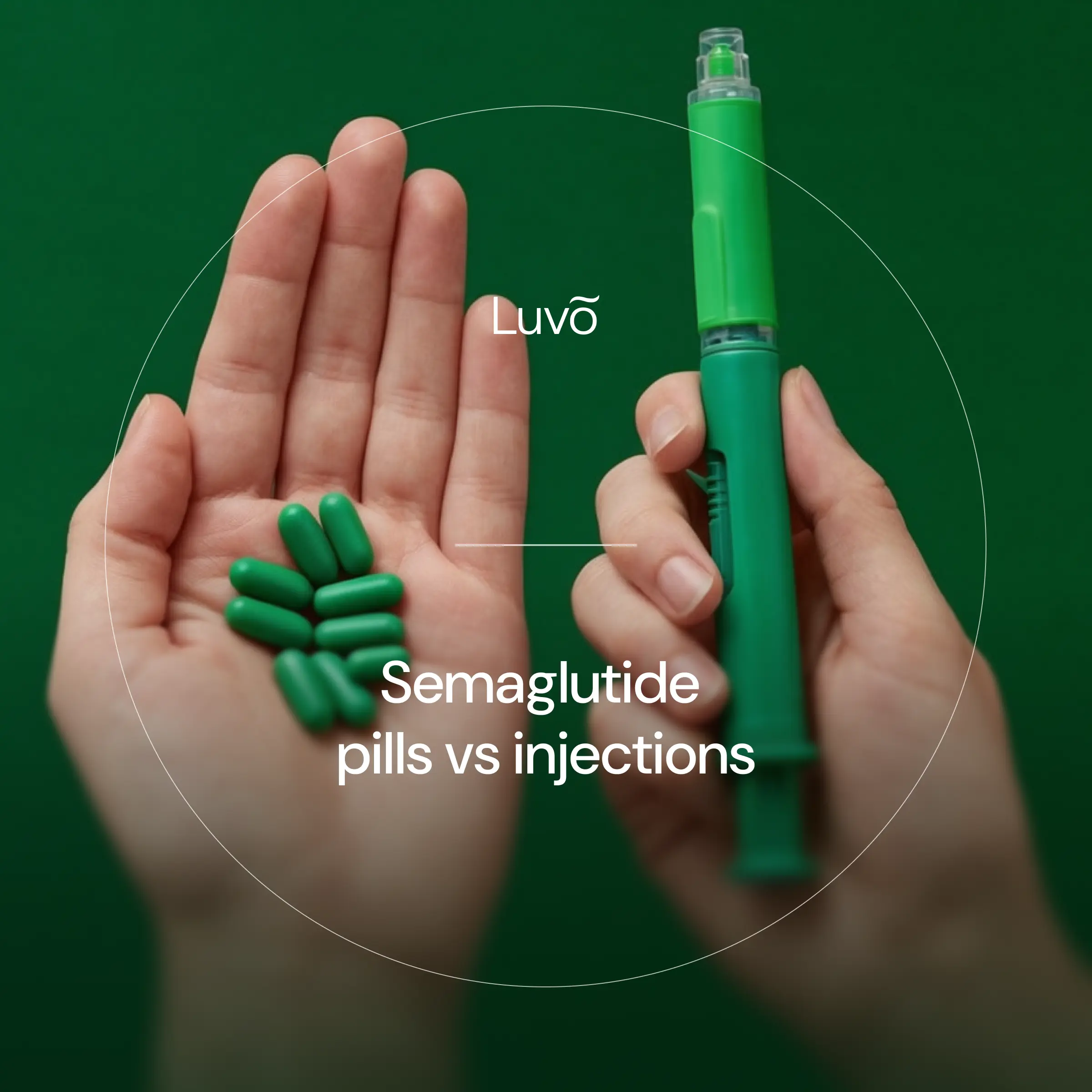
Whether you use microdosing as a bridge to build healthier habits, a long-term maintenance tool, or some combination of both, Luvo's clinical team is with you at every stage. Our program offers the medication flexibility (semaglutide or tirzepatide, injection or tablet), clinical expertise, and ongoing support that a genuine long-term health partnership requires.

Weight management is a long-term commitment, and we build our programs around sustainable outcomes.

Explore Luvo's microdosing program to start building your long-term weight management plan today.