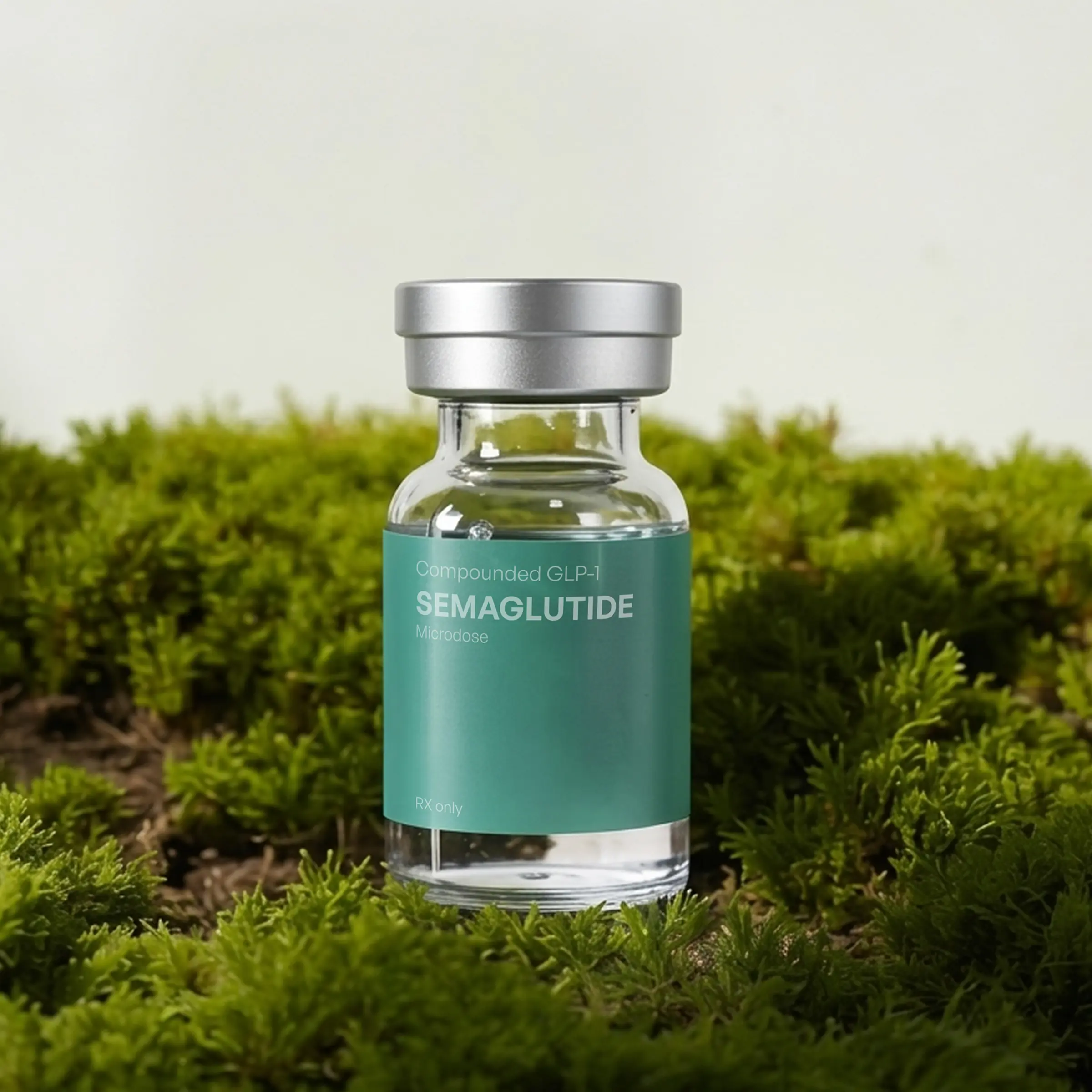


Clinically appropriate prescription options
Microdosing
Clinician-guided GLP-1 microdosing.
Start low, go slow. A calm, medically supervised path to steadier energy, fewer cravings, and long‑term metabolic health.
Get started

Microdosing
Start low, go slow. A calm, medically supervised path to steadier energy, fewer cravings, and long‑term metabolic health.
Get startedAvg. weight reduction in GLP-1 trials*
Risk reduction in prediabetes studies*
Clinician reviewed

The service is designed for the moment when metabolism needs gentle support.


Provide information about your goals and medical history to fuel your metabolic health assessment.
.webp)
A licensed healthcare provider carefully reviews your health information and determines whether treatment is appropriate.
.webp)
Providers may recommend prescription treatments from licensed pharmacies.
.webp)
Stay connected with your clinician as your plan evolves.
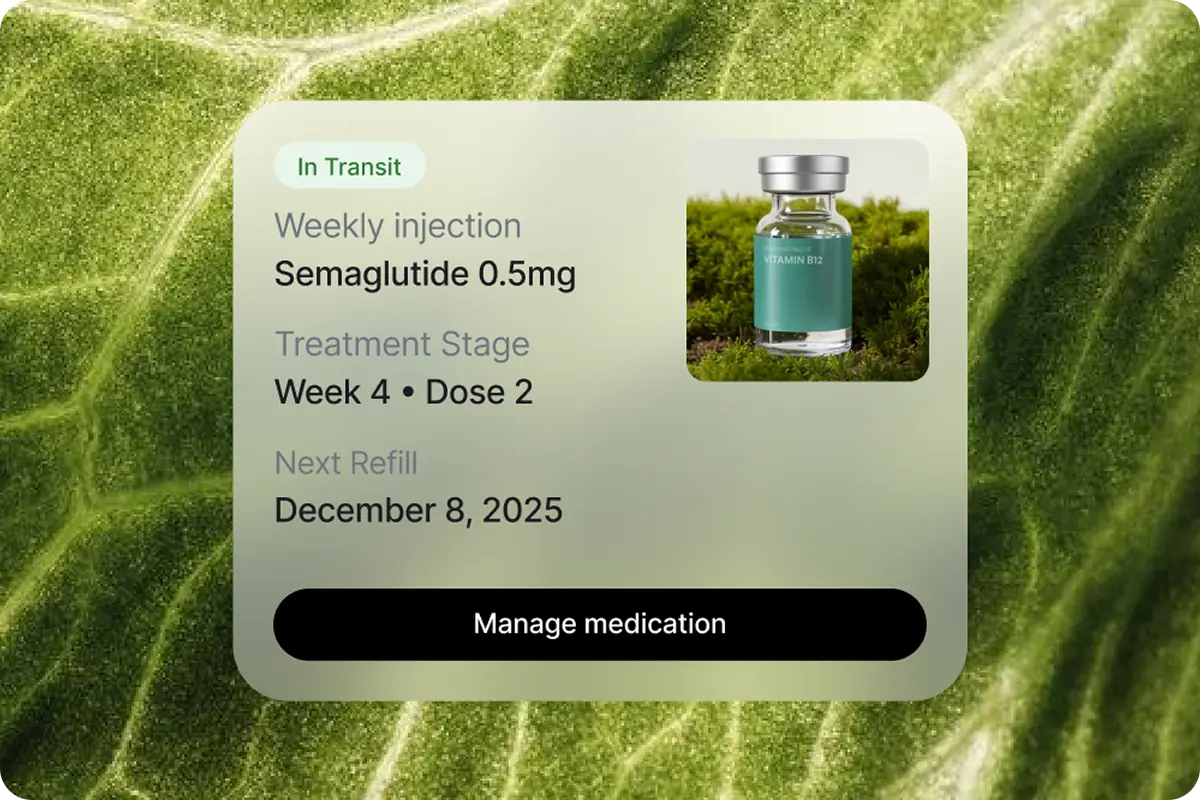
Provide information about your goals and medical history to fuel your metabolic health assessment.
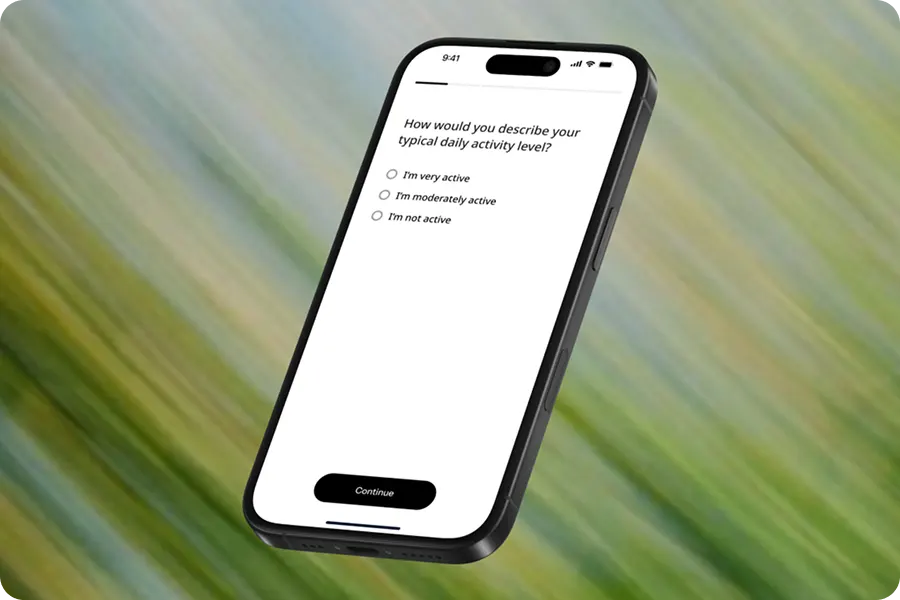
A licensed healthcare provider carefully reviews each case and determines whether treatment is appropriate.

Providers may recommend prescription treatments from licensed pharmacies.
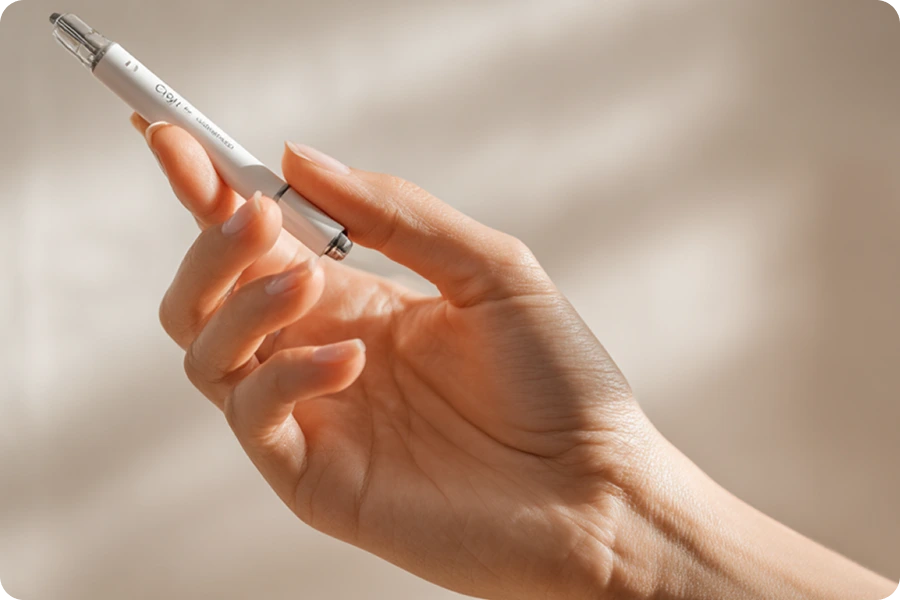
Stay connected with your clinician as your plan evolves.
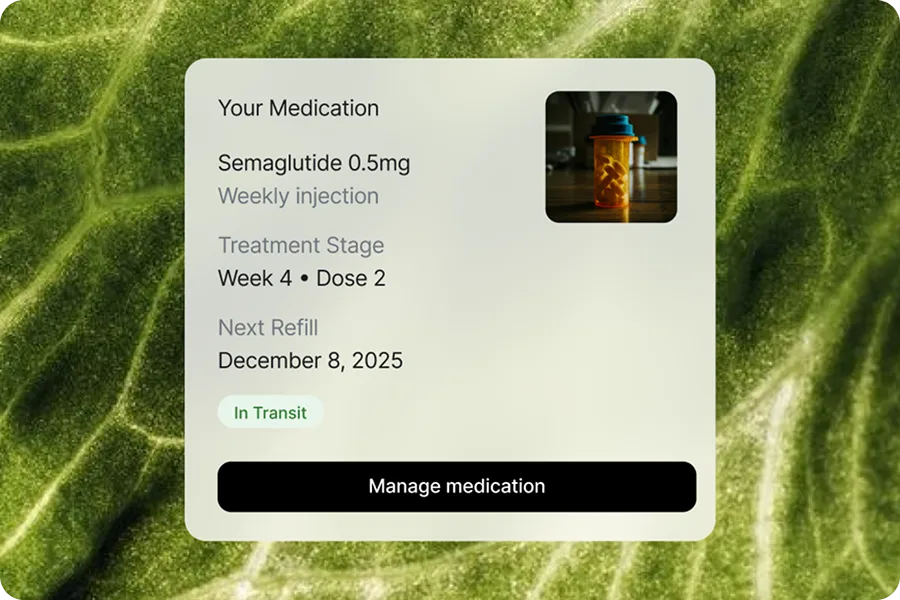


GLP-1 microdosing involves taking lower-than-standard doses of GLP-1 medications like semaglutide or tirzepatide. The goal is to support metabolic health, reduce cravings, and maintain weight — with a gentler side effect profile than full therapeutic doses.
No. GLP-1 microdosing is an off-label use of compounded medications. Compounded medications are not FDA-approved. Your clinician will review whether this approach is appropriate for your health history and goals.
Microdosing may be a fit if you've already lost weight on GLP-1s and want to maintain results, if you experienced side effects at standard doses, if you're looking for a more gradual and sustainable long-term approach, or if you don't meet the BMI threshold for standard weight loss dosing. Your clinician makes the final determination.
Compounded semaglutide (injection or oral tablet) or compounded tirzepatide injection. Medication and dose are determined by your clinician based on your health history and goals.
Side effects are generally milder at lower doses. Some people experience mild nausea, reduced appetite, or mild GI discomfort — particularly in the first few weeks. These typically improve as your body adjusts. Contact your care team if side effects are persistent or severe.
Some patients notice appetite and energy changes within the first few weeks. Metabolic and weight changes typically build over months. Results vary by individual and are not guaranteed.
Some patients do; others use microdosing primarily for maintenance after prior weight loss. Your clinician will set realistic expectations based on your goals and dosing plan. There are no guaranteed outcomes.
The standard weight loss program uses doses associated with more significant appetite suppression and weight loss. Microdosing uses lower doses aimed at metabolic support, cravings reduction, and maintenance — with a focus on tolerability and long-term sustainability.
It depends on your full medication list. Share everything you're taking with your clinician so they can screen for interactions and advise safely.
Not always, but your clinician may request baseline labs depending on your health history and goals. They'll advise you during your intake review.
Yes. Your information is protected and only shared with the clinicians and pharmacies involved in your care. See our Privacy Policy for full details.
Yes. You can cancel or pause through your account. Changes typically need to be made before an order begins processing.
You won't be charged until after clinician review and only if treatment is prescribed. If microdosing isn't right for you, your clinician may discuss alternative programs or refer you to appropriate care.

Losing weight is hard. Keeping it off is harder. This isn't a motivational platitude — it's a well-documented physiological reality. After weight loss, the body undergoes hormonal and metabolic changes that actively promote weight regain: hunger hormones increase, metabolic rate decreases, and the brain's reward response to food intensifies.
This is where GLP-1 microdosing offers a particularly compelling advantage. Unlike crash diets or short-term medication courses, Luvo's microdosing program is designed with the long game in mind — not just helping you lose weight, but helping you keep it off in a way that's medically sound and practically sustainable.
One of the most important conversations in obesity medicine right now concerns what happens when patients discontinue GLP-1 medications. The data is sobering: studies have shown that patients regain approximately two-thirds of their lost weight within a year of stopping semaglutide.
This happens because GLP-1 medications are treating the underlying biology of obesity — not curing it. When the medication is removed, the biological drivers of weight gain reassert themselves. It's analogous to stopping blood pressure medication: the underlying condition hasn't been resolved, so the problem returns.
This reality argues strongly for a long-term treatment approach. And if medication is going to be used long-term, the dose, side-effect profile, and cost all need to be sustainable — which is exactly what microdosing optimizes for.
Standard-dose GLP-1 therapy was developed with a focus on maximum weight loss in clinical trial timeframes. But clinical trials and real life are different. In real life, the question isn't just "how much weight can I lose in 72 weeks?" but "what approach can I sustain for years or even decades?"
Microdosing excels here for several reasons.
Tolerability sustains adherence. The number one predictor of long-term success with any medication is whether you keep taking it. Lower doses mean fewer side effects, which means you're far more likely to stay on treatment. Cost sustainability matters too. Long-term medication use requires financial planning. Microdosing can reduce medication costs, making indefinite use more feasible. Additionally, lower long-term risk is important because while GLP-1 medications have strong safety profiles, using the lowest effective dose over the long term is a sound medical principle — it minimizes exposure while maintaining benefit. Finally, quality of life at lower doses is better. You can enjoy food, socialize around meals, and live normally — things that can be challenging at higher doses where appetite suppression can feel overwhelming.
While Luvo's microdosing program may support long-term medication use, the ideal scenario is that medication buys you time to build lasting habits. The appetite reduction and behavioral changes you experience on GLP-1 medication create a window of opportunity to develop a healthier relationship with food and exercise.
Strategies that complement microdosing for long-term success include progressive strength training, which builds lean mass, increases resting metabolic rate, and creates a physiological buffer against weight regain. Protein-focused nutrition is also key — adequate protein intake (0.7-1g per pound of body weight) supports muscle preservation and enhances satiety independent of medication. Consistent sleep habits matter because poor sleep increases ghrelin (hunger hormone) and decreases leptin (satiety hormone), working against your medication. Finally, stress management is important because chronic stress drives cortisol-mediated fat storage and emotional eating — skills like mindfulness and stress management create lasting resilience.
Luvo's program integrates these principles into your treatment plan, recognizing that medication is most effective as part of a comprehensive approach.
As you reach your weight-loss goal and transition into maintenance, your microdose may be adjusted. Some patients find they can reduce their dose further during maintenance while maintaining their results. Others find that their initial microdose remains the right level.
This is one of the advantages of Luvo's personalized approach — your provider monitors your progress and adjusts treatment as your needs evolve. Maintenance isn't an afterthought; it's a planned phase of your program.
Some patients eventually taper off medication entirely while maintaining their results through lifestyle habits built during treatment. Others benefit from ongoing low-dose maintenance. Both approaches are valid, and Luvo's clinical team helps you navigate this decision based on your individual biology and goals.
Luvo's microdosing program isn't just about the number on the scale. It's about creating a sustainable path to better health that you can maintain for life.
Whether you use microdosing as a bridge to build healthier habits, a long-term maintenance tool, or some combination of both, Luvo's clinical team is with you at every stage. Our program offers the medication flexibility (semaglutide or tirzepatide, injection or tablet), clinical expertise, and ongoing support that a genuine long-term health partnership requires.
Weight management is a long-term commitment, and we build our programs around sustainable outcomes.
Explore Luvo's microdosing program to start building your long-term weight management plan today.

The appeal of microdosing GLP-1 medications is broad — fewer side effects, more sustainable weight loss, and a personalized approach that respects your body's response to treatment. But like any medical intervention, it's not appropriate for everyone.
This article will help you understand whether Luvo's microdosing program with semaglutide or tirzepatide might be a good fit for you, what the eligibility criteria are, and what you should realistically expect from treatment.
GLP-1 medications for weight management are generally prescribed for adults with a BMI of 30 or higher (obesity) or a BMI of 27 or higher with at least one weight-related comorbidity such as Type 2 diabetes, hypertension, dyslipidemia, obstructive sleep apnea, or cardiovascular disease.
These criteria apply whether you're pursuing standard dosing or microdosing. The difference isn't who qualifies — it's how the treatment is delivered.
At Luvo, your eligibility is assessed by a licensed provider during your initial consultation. This includes a review of your medical history, current medications, and health goals.
While anyone eligible for GLP-1 therapy can benefit from microdosing, certain patient profiles may find this approach particularly valuable.
Side-effect-sensitive patients — if you've tried GLP-1 medications before and couldn't tolerate the side effects, or if you're generally sensitive to medications, microdosing's lower-dose approach may make treatment feasible. Patients prioritizing sustainability — if your goal is long-term weight management rather than rapid weight loss, microdosing's gradual approach aligns well with sustainable habits. Those on a budget — lower doses can mean lower medication costs, making long-term treatment more financially manageable. Patients with moderate weight-loss goals — if you need to lose 15-30 pounds rather than 100+, microdosing may provide sufficient effect without the intensity of maximum dosing. People who want to maintain muscle mass — the slower weight loss associated with microdosing, combined with proper nutrition and exercise, may help preserve lean body mass.
There are important contraindications for GLP-1 medications that apply regardless of dose. You should not use semaglutide or tirzepatide if you have a personal or family history of medullary thyroid carcinoma, a history of Multiple Endocrine Neoplasia syndrome type 2 (MEN 2), a known hypersensitivity to semaglutide or tirzepatide, a history of pancreatitis (relative contraindication — discuss with your provider), or if you are pregnant, planning to become pregnant, or breastfeeding.
Additionally, these medications require careful consideration in patients with gastroparesis or severe GI motility disorders, a history of eating disorders, severe renal impairment, or a history of gallbladder disease.
Luvo's providers conduct thorough screening to ensure safety before prescribing any medication.
Understanding what microdosing can and cannot do is crucial for a positive treatment experience.
Microdosing CAN provide meaningful, clinically significant weight loss (typically 8-15% of body weight); substantially reduce appetite and food cravings; improve metabolic markers; and offer a more tolerable treatment experience with fewer side effects.
Microdosing may NOT produce the dramatic 20%+ weight loss seen with maximum-dose tirzepatide; work as quickly as higher-dose protocols; eliminate the need for dietary and lifestyle changes; or be a standalone solution without addressing underlying habits.
The best results come from combining microdosing with proper nutrition, regular physical activity, adequate sleep, and stress management. Luvo's program supports this holistic approach.
If you think you might be a good candidate for GLP-1 microdosing, the first step is a clinical consultation. Luvo makes this process simple and accessible — you can complete your health assessment online and connect with a licensed provider who specializes in the microdosing approach.
Visit Luvo's microdosing program page to begin your assessment, or explore our medication options: microdosing semaglutide injection, microdosing semaglutide tablets, microdosing tirzepatide injection.

One of the biggest concerns people have before starting GLP-1 medications is side effects. And those concerns are valid — at standard and maximum doses, semaglutide and tirzepatide can cause significant gastrointestinal symptoms that affect quality of life.
But here's what the headline-grabbing stories often miss: the severity and frequency of side effects are directly related to the dose. That's the fundamental insight behind microdosing — and it's why Luvo's microdosing program offers a meaningfully different side-effect experience than standard-dose protocols.
The most frequently reported side effects of GLP-1 medications include nausea (the most common, occurring in 40-50% of patients at higher doses), diarrhea, constipation, vomiting, abdominal pain, headache, and fatigue.
In microdosing protocols, the incidence and severity of these effects are substantially lower. Nausea, for example, may affect only 15-25% of patients at lower doses, and when it does occur, it's typically milder and resolves faster. This is a dose-response relationship — higher dose means more side effects, and lower dose means fewer.
At Luvo, our clinical team monitors your experience closely during the initial weeks of treatment. If side effects occur, dose adjustments can be made quickly to find your comfort zone.
While most side effects of GLP-1 medications are GI-related and manageable, there are some rarer side effects to be aware of.
Pancreatitis is an inflammation of the pancreas that has been reported in a small number of patients. Symptoms include severe abdominal pain that radiates to the back. If you experience this, stop the medication and seek medical care immediately.
Gallbladder issues, including gallstones and cholecystitis, can occur with rapid weight loss from any cause, including GLP-1 medications. Microdosing's more gradual weight-loss trajectory may reduce this risk.
Thyroid concerns — in animal studies, GLP-1 medications caused thyroid tumors in rodents. This has not been observed in humans, but the medications carry a boxed warning for patients with a history of medullary thyroid carcinoma.
Your Luvo provider will review your complete medical history to identify any risk factors before prescribing.
Even with microdosing, some patients experience mild GI effects, especially in the first few weeks. Here are evidence-based strategies to minimize discomfort.
Eat smaller, more frequent meals rather than large ones. Your stomach is emptying more slowly, so smaller portions are easier to handle. Avoid high-fat and fried foods, which can exacerbate nausea and slow digestion further. Stay hydrated — sip water throughout the day, especially if you experience diarrhea or vomiting. Eat slowly and stop when you feel comfortably full, not stuffed. Ginger tea or ginger supplements can help with mild nausea. Avoid lying down immediately after eating — stay upright for at least 30 minutes.
These strategies work well in combination with microdosing. Because the side effects are milder at lower doses, these simple adjustments are often enough to manage them effectively.
Most side effects from microdosing GLP-1 medications are mild and self-resolving. However, you should contact your Luvo provider if you experience nausea or vomiting that persists beyond the first 2-3 weeks, severe abdominal pain, signs of dehydration such as dark urine, dizziness, or reduced urination, any symptoms that significantly impact your daily life, or allergic reactions including rash, itching, or swelling.
One advantage of Luvo's microdosing program is the close clinical relationship with your provider. Unlike some telehealth competitors where you might wait days for a response, Luvo's program is designed for responsive, personalized care. Learn more about our approach at our microdosing program page.